What is an NFT collection and why are the created tokens valuable?

Table of Contents
- 1.Definition of NFTs and their features
- 2.Key Features
- 3.Types of NFT Collections: Art and Digital Assets
- 4.Digital assets
- 5.How to create your own NFT collection: step-by-step instructions
- 6.Stages of creation
- 7.Promotion and Sales
- 8.Where to buy and sell NFT collections: platform and exchanges
- 9.Main Trading Platforms
- 10.Auction sites
- 11.Legal Aspects of Owning and Trading NFT Collections
- 12.How to estimate the value of an NFT collection: criteria and methods
- 13.Evaluation criteria
- 14.Assessment methods
- 15.The benefits of NFT collections for artists and collectors
- 16.Opportunities for audience interaction
- 17.Potential for increased value
- 18.Prospects for the development of NFT collections in the future
- 19.Question and answer:
Launching a collection on the blockchain opens up a variety of opportunities for artists and collectors. The first step is to create unique digital assets that provide proof of ownership and truth. Such tokens can be used to monetize creative works, while reducing the risks of plagiarism.
Collectors can consider two main aspects before investing in tokens: emotional value and potential appreciation. Many works of art have brought significant profits to their owners thanks to the growing interest in crypto assets. It is important to study the trading history of specific tokens to assess their investment attractiveness.
Advantages:
- Fixation of ownership rights to unique works.
- Supporting authors and receiving interest from future sales.
- Opportunity to participate in exclusive events and receive bonuses.
The interactive aspects of collections enable new formats for interacting with art, from digital exhibitions to gamification. This not only attracts a new viewer, but also expands the audience of art lovers, creating a community where ideas are proposed and discussed.
When analyzing the features of collecting tokens, do not forget about the various platforms for achieving success. Various resources offer their own conditions, fees and services, which may affect the process of creating, buying or selling tokens.
Below are some popular platforms:
- OpenSea is the largest token trading platform.
- Rarible is focused on the participation of authors in the sales process.
- Foundation – for limited and exclusive collections from selected artists.
With all of these aspects in mind, creating a token collection can be not only fun, but also highly rewarding, providing new tools for self-expression and creative endeavors.
Definition of NFTs and their features
A non-fungible token is a unique digital unit based on blockchain technology. The main characteristic is that each token has its own individual information, which distinguishes it from ordinary cryptocurrencies such as Bitcoin. Each token stores metadata about the work, including the author, creation date, and its transmission history. This provides the ability to confirm the authenticity and origin of a digital asset.
Key Features
- Uniqueness: Each token has its own identification information.
- Indivisibility: the token cannot be divided into smaller parts; it can only be bought or sold as a whole.
- Transparency: all transactions are recorded on the blockchain, which allows you to track the entire history of asset ownership.
- Autonomy: the ability to use smart contracts to automate transactions and exchange conditions.
Types of NFT Collections: Art and Digital Assets
Modern digital works of art occupy a significant place in the world of tokens. Examples of such items include unique paintings, animations and photographs that are created by artists and sold through platforms such as OpenSea or Rarible. Artists can set their own prices and retain royalty rights, which provides additional income when their work is resold. This creates an attractive ecosystem where talented work is recognized and rewarded.
Digital assets
Digital assets are a broader category that includes tokens that represent virtual goods, in-game items, and even barter systems within blockchain games. Examples include unique skins in games or digital trading cards that can be bought, sold or traded. These tokens not only provide owners with the right to individual elements within virtual spaces, but also create new investment opportunities, expanding the horizons of participation in modern economic systems.
How to create your own NFT collection: step-by-step instructions
Define the concept. Think about what unique content will be presented: images, music tracks or videos. Research the market and identify trends. In other words, look at what's popular and choose a style that will make your collection stand out.
Stages of creation
- Blockchain selection:Ethereum, Binance Smart Chain or Polygon - each platform needs to be evaluated in terms of fees and functionality.
- Content Creation:Develop unique art or other media content. The more creative, the higher the interest.
- Wallet connection:Install a cryptocurrency wallet, such as MetaMask or Trust Wallet, and fund it with the necessary tokens to pay token creation fees.
- Marketplace selection:Use platforms such as OpenSea or Rarible - compare their conditions and fees.
- Minting:After uploading content to your chosen platform, create tokens, set a price, and select auction or fixed price type.
Promotion and Sales

Consider creating a promotion strategy. Social networks, communities and forums will help attract an audience. Pay attention to interacting with potential buyers to generate interest and demand.
Where to buy and sell NFT collections: platform and exchanges
Main Trading Platforms
Popular places for buying and selling digital assets also include SuperRare and Foundation. Both sites are aimed at artists and collectors, which allows them to offer unique creations of excellent quality. It is important to note that SuperRare strictly selects participants.
For those looking for a wider audience and opportunities, it's worth checking out the Binance NFT and Coinbase NFT platforms. These services have integration with crypto exchanges, which simplifies the exchange and purchasing process.
Auction sites
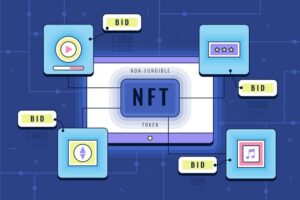
A live auction is another way to buy or sell these assets. Places like Nifty Gateway stand out in this segment. Exclusive lots and promotions with the participation of famous artists are held here.
It's important to consider fees, which can vary from platform to platform. Typically they range from 2.5% to 15% of the transaction amount. It is recommended that you carefully review the terms and conditions before making a transaction to avoid unnecessary costs.
If you are interested in tokens on other blockchains, pay attention to platforms such as Tezos (Hic et Nunc) and Solana (Solanart). These services contrast with Ethereum in terms of fees and transaction speed.
To trade on each of these platforms, you will need to create a digital wallet. The most common options include MetaMask and Trust Wallet.
Safety is also an important aspect. Use two-factor authentication and carefully check website addresses to avoid fraud.
Legal Aspects of Owning and Trading NFT Collections
When purchasing tokens, it is important to study the license terms offered by the creators. What you purchase may not give you the right to commercially exploit the content underlying the token. Make sure you understand whether the license limits what you can do for profit.
Given the different laws in different countries, you need to be aware of the tax implications. In many jurisdictions, the exchange of tokens is treated as a sale of assets, which implies taxation. Consult a tax professional for advice based on your situation.
When trading on the platform, it is important to note that each market has its own rules. Read them carefully and stay tuned for changes. Many sites require identity verification and may block accounts for violating the terms. Failure to follow the rules may result in legal consequences.
| Country | Taxation |
|---|---|
| USA | Capital gains taxes |
| Russia | Uncertain tax base, possible personal income tax |
| Canada | Capital gains taxes |
| Germany | Taxation depends on the period of ownership of the token |
Please be aware of possible risks of fraud and counterfeiting. Token holders may become victims of phishing or other fraudulent schemes. Use only trusted trading platforms and avoid unknown sources.
Registration on the trading platform requires agreement to the terms of service, which may include consent to the use of your data. Check the privacy policy to be aware of how your data will be processed and protected.
Custody of assets also has legal nuances. Use wallets with reliable security. If you choose cold storage, make sure you have backups of your keys for recovery. Losing a key may result in permanent loss of assets.
Intellectual property rights play an important role. Many tokens are associated with copyrights for works of art. Make sure you have all permissions to use and distribute the content. Otherwise, lawsuits and fines are possible.
How to estimate the value of an NFT collection: criteria and methods

To assess the value of digital assets, there are several key factors to consider. First of all, the authority of the platform on which the tokens are hosted directly affects the market value. Major platforms such as OpenSea and Rarible require attention, as assets with a good reputation are valued higher there. Additionally, analyzing sales of similar tokens using historical data can help form a more accurate estimate.
Evaluation criteria
Several important aspects to analyze:
- Rarity:The fewer tokens there are in a collection, the higher its price can be set by the market.
- Quality of the work:Artistic execution and uniqueness of the content can significantly influence the price.
- Creator Popularity:The fame of the author matters, as popular artists have a large fan base.
Assessment methods

You can use both the asset comparison method and several approaches at the same time. The comparative method involves valuation by analogy with tokens already sold. An alternative method is algorithmic analysis, which relies on algorithms and market size to predict prices. This allows you to get a more accurate and informed estimate, taking into account current trends and buyer behavior.
The benefits of NFT collections for artists and collectors
Artists can earn direct income from sales of digital assets by using platforms to tokenize their work. This approach allows you to avoid intermediaries and reduce transaction costs. After the first sale, creators can receive royalties on each subsequent resale, adding an additional source of income.
Opportunities for audience interaction
Creating unique works of art in the form of tokens allows artists to create deeper connections with fans. Direct communication through promotions, special offers and events related to their work creates an active community.
- Participation in voting for new projects.
- Access to private events and meetings with artists.
- Exclusive materials and content for collectors.
Potential for increased value
With the right approach, digital assets can significantly increase in value over time. The rarity and uniqueness of the work, as well as the popularity of the artist, influence the valuation of assets. Collectors can invest with the hope that the value of the tokens will increase, becoming part of an interesting investment path.
Platforms for selling these assets interact with various cryptocurrencies, which allows you to expand the market and attract a diverse audience. Such diversity opens up new horizons for trade. Collectors can purchase works using various cryptocurrencies by simply transferring their funds.
- Increasing value in the secondary market.
- Simplified buying and selling procedure.
- Reducing risks through decentralization.
Not requiring physical space to store art makes collecting more accessible and less expensive. The ability to easily transfer and save works digitally simplifies asset management and promotes visibility.
Prospects for the development of NFT collections in the future
It is predicted that there will be a significant increase in interest in blockchain-based assets in the coming years. The support of large companies and the introduction of technology into various industries create the preconditions for expanding coverage. It is recommended to pay attention to integration with physical objects: combining virtual collections with real products can increase the value of offers. Smart contracts provide ownership protection and content rights management, creating a transparent and secure experience for participants.
As collecting becomes more accessible to a wider audience, it is important to keep an eye on the development of new platforms and ecosystems. Collections can include not only images, but also animations or music, which opens up the possibility of creating unique cultural products. The main emphasis should be on supporting communities and interacting with participants: interesting interaction mechanics, such as voting or joint projects, will allow for stronger connections between creators and fans. Among the exciting trends is the use of augmented reality to create interactive experiences with collections.
Question and answer:
What is an NFT collection?
An NFT collection consists of unique digital objects, each of which is recorded on blockchain technology. These items may include images, videos, audio files, and other forms of digital art. Unlike ordinary digital files, such objects cannot be copied or falsified, since each one has its own unique identifier, which confirms its authenticity and ownership. NFT collections have gained popularity because they allow artists and creators to profit from their work and collectors to own unique digital works.
What benefits do NFT collections have for artists and collectors?
For artists, NFT collections open up new earning opportunities by allowing them to sell their work directly to fans, bypassing traditional galleries and auction houses. Artists may also receive a percentage of subsequent sales of their works. Collectors, in turn, gain access to unique and limited works, which can significantly increase their value over time. In addition, NFTs ensure transparency and security of transactions, since every change in ownership is recorded in the blockchain, which eliminates the possibility of fraud.
How can you use NFT collections outside of art?
NFT collections can be used in various fields such as the gaming industry, events, and even education. For example, in games, players can own unique items that can be traded or sold. At events, NFTs can be used as tickets, providing access to exclusive events or content. In the educational field, NFTs can serve as certificates of completion of courses or programs, as they certify the authenticity and individuality of each certificate. This makes NFTs a flexible tool that has applications in a wide variety of fields.